
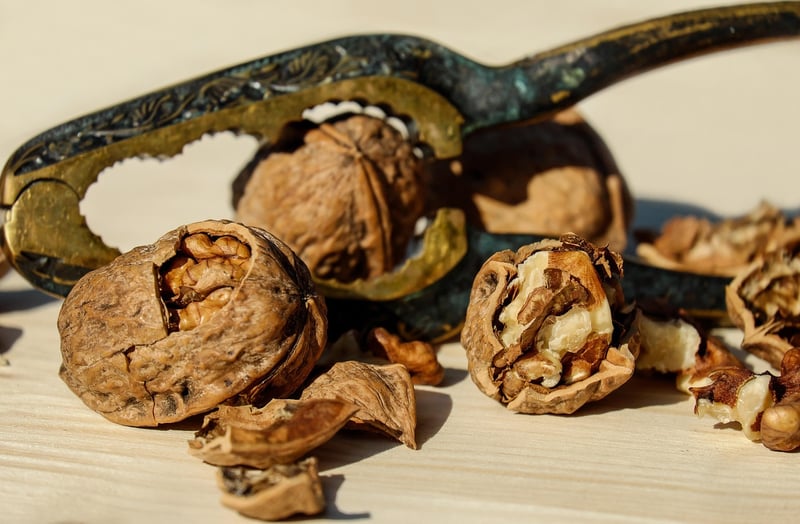
The Rise of Non-Traditional Elements in Cooking
In recent years, the culinary world has seen a surge in creativity with chefs and home cooks alike experimenting with non-traditional elements to elevate their dishes. From using unexpected ingredients to incorporating unconventional cooking methods, the possibilities are endless when it comes to adding a unique twist to your meals.
Unleashing Creativity in the Kitchen
One of the key drivers behind the popularity of non-traditional elements in cooking is the desire to break away from traditional norms and create dishes that are truly one-of-a-kind. By thinking outside the box and exploring new flavor combinations, chefs can push the boundaries of culinary innovation.
Exploring Nut-Free Alternatives
For individuals with nut allergies, finding suitable alternatives can be a challenge. Luckily, there are a variety of nut-free ingredients that can be used to replace nuts in recipes without compromising on taste or texture.
Popular Nut-Free Alternatives:
- Seeds (such as pumpkin seeds, sunflower seeds, and chia seeds)
- Soy products (like tofu and soy butter)
- Coconut (coconut flakes, coconut milk, and coconut oil)
- Oats (oat flour and rolled oats)
- Rice cakes or rice crackers
Experimenting with Non-Traditional Ingredients
Adding non-traditional elements to your dishes can introduce new flavors, textures, and experiences to your meals. Whether it's incorporating edible flowers for a pop of color or using molecular gastronomy techniques to create innovative dishes, the possibilities are endless.
Embracing the Fusion of Flavors
By embracing non-traditional elements and nut-free alternatives, you can create dishes that are not only delicious but also cater to a wider range of dietary preferences and restrictions. So why not step out of your comfort zone and embark on a culinary adventure filled with creativity and innovation?
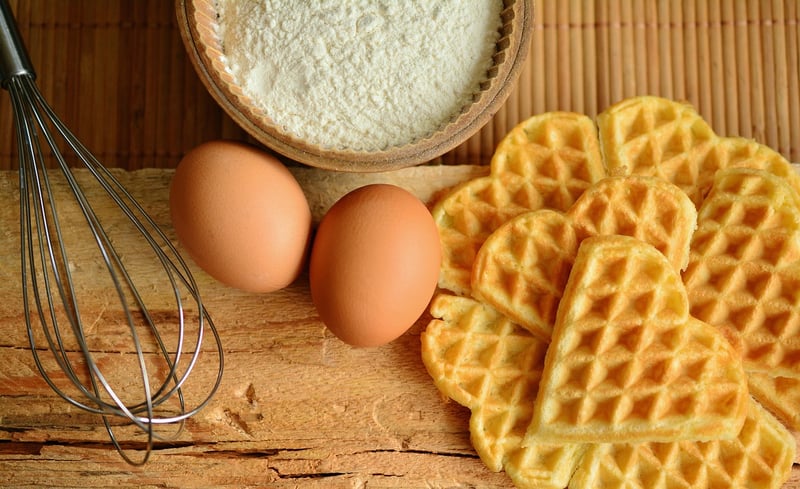
Explore the endless possibilities of non-traditional elements and nut-free alternatives in your cooking today!
Image source: Pixabay