
The Rise of Non-Traditional Elements in Gluten-Free Options
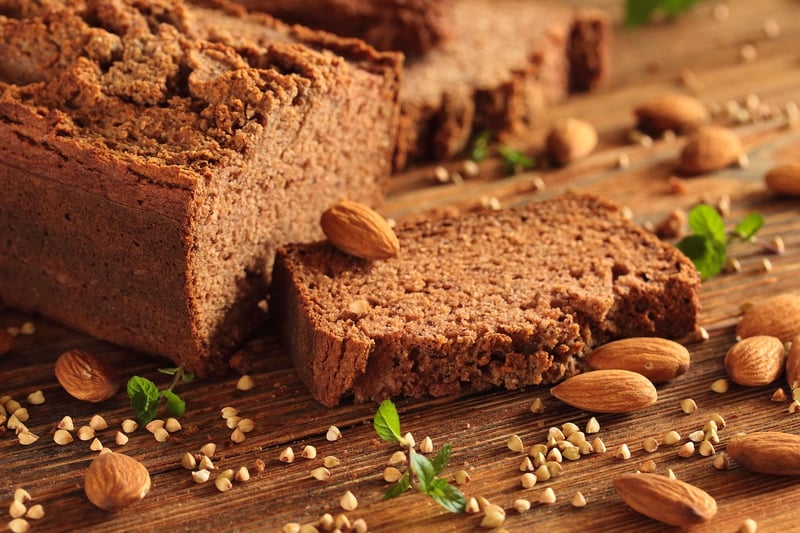
In recent years, the world of gluten-free dining has seen a significant evolution. With a growing awareness of dietary restrictions and a desire for more diverse and flavorful options, non-traditional elements have become increasingly popular in gluten-free cuisine.
Exploring Non-Traditional Ingredients
Traditionally, gluten-free dishes were often limited to basic ingredients like rice flour or cornstarch. However, chefs and home cooks alike are now experimenting with a wide range of non-traditional elements to enhance both the taste and nutritional value of their gluten-free creations.
Quinoa
Quinoa, a nutrient-rich grain, has become a staple in many gluten-free dishes. Its nutty flavor and versatility make it a popular choice for salads, stir-fries, and even baked goods.
Coconut Flour
Coconut flour, made from dried coconut meat, is a gluten-free alternative that adds a subtle tropical flavor to recipes. It's high in fiber and protein, making it a nutritious option for those following a gluten-free diet.
Innovative Cooking Techniques
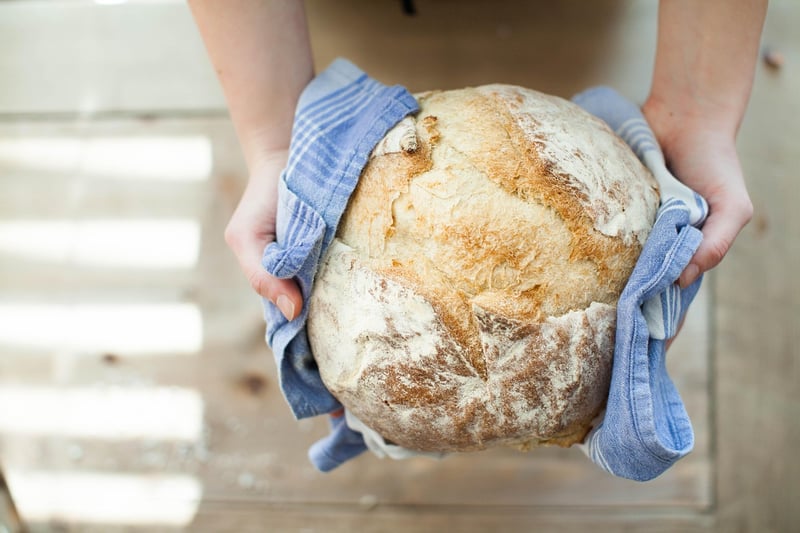
Chefs are also exploring innovative cooking techniques to create unique gluten-free dishes. From sous vide to fermentation, these methods add depth and complexity to gluten-free recipes, challenging the notion that gluten-free food is bland or boring.
Embracing Global Flavors
One of the most exciting trends in gluten-free cuisine is the incorporation of global flavors. Ingredients like miso, harissa, and gochujang are finding their way into gluten-free dishes, adding a new dimension of taste and excitement to the dining experience.
Conclusion
The rise of non-traditional elements in gluten-free options signifies a shift towards more creative and inclusive dining experiences. By embracing diverse ingredients, innovative techniques, and global flavors, chefs and food enthusiasts are redefining what it means to eat gluten-free.